LiFePO4 Versus Lead-Acid: What Changes the Total Cost
October 24, 2026 · 2 min read
Purchase price is only the start. Cycle life, weight, replacement trips and partial charging decide what a site battery really costs.
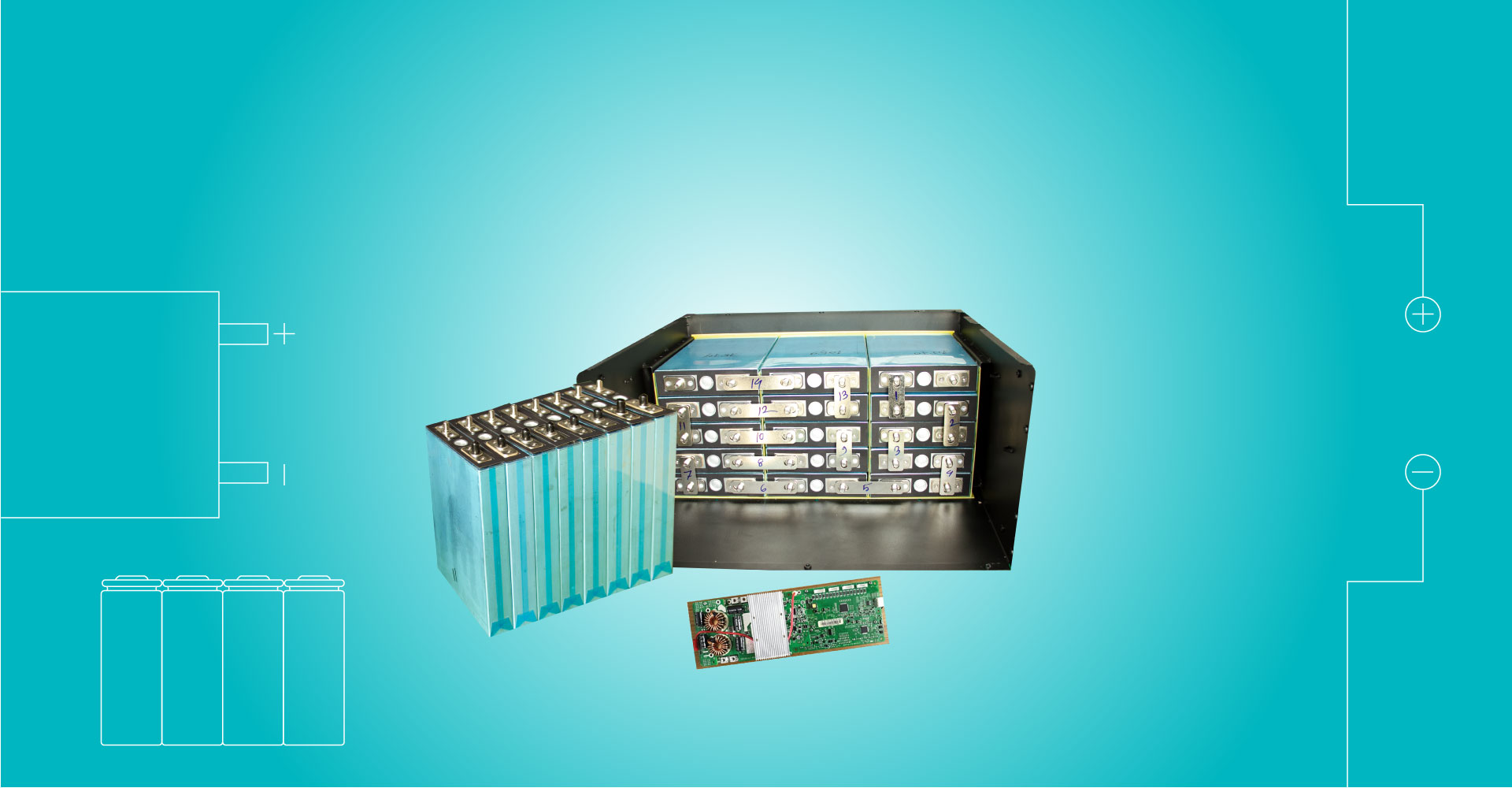
Lead-acid still has a place. SARBS has supplied it, regenerated it and supported the warranty on a very large installed base. Lithium iron phosphate wins the comparison when the site will cycle, when the road to the tower is expensive, or when the cabinet cannot take more weight.
The comparison SARBS actually prints
The public product note does not hide behind a slogan. It says a LiFePO4 battery can offer up to ten times the cycle life and five times the float calendar life of lead-acid, which is how replacement cost and total cost of ownership come down. It also says the lithium battery is about forty percent of the weight and can deliver twice the power of lead-acid at a high discharge rate.
Those three points change the spreadsheet. Fewer replacements mean fewer climbs, fewer truck rolls and less downtime. Less weight means an easier install on a rooftop or a tower compound. More available power at high discharge means the radio stays up when the grid drops and the battery is asked to work hard.
When lead-acid is still the right call
A healthy lead-acid string that is only floating, in a cool room, with a short service path, may not justify an immediate swap. SARBS also offers regeneration for batteries that can still be recovered. The useful question is not which chemistry is fashionable. It is how many times this site will cycle before the next planned visit.
Operators who want the numbers for a particular site can start from the product page and ask SARBS to size the string.
Figures and product notes on this page are taken from the public SARBS website, the SARBS LinkedIn page and the SARBS YouTube channel.
Categories: Batteries, LiFePO4 Batteries