Gel Batteries for Hot, Cold and Deep-Cycle Tower Sites
October 18, 2026 · 2 min read
A gel battery uses silica gel and porous separators so an outdoor telecom site can cycle in heat and cold without a flooded cell.
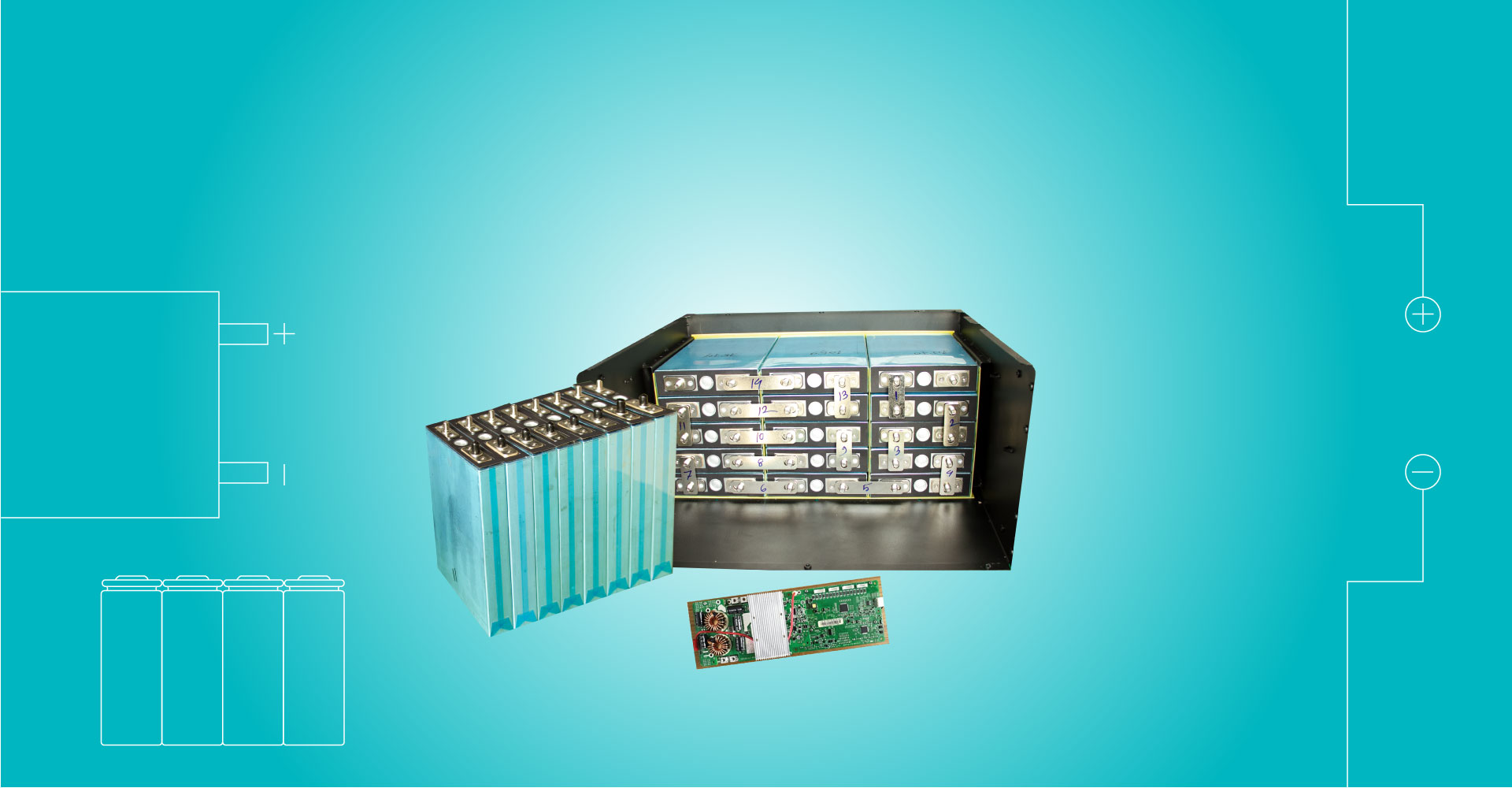
Not every tower moves to lithium on day one. A gel battery is the valve-regulated option SARBS lists for sites that still want a lead-based battery, but need it to survive outdoors and to accept deep cycles.
What the product is made to do
SARBS describes the gel range as manufactured with nano silica gel, one of the two valve-regulated production methods used in the industry. Inside are porous PVC separators and a colloidal electrolyte. The series is specified to work in high and low temperature, to support cyclic deep discharge, and to offer a long service life.
The same note points to a special plate design for cycle life, high-porosity PVC-SiO2 separators, and the heat capacity of the silica gel, which reduces the risk of thermal runaway. High gas efficiency and deep-discharge behaviour are called out for harsh environments, including energy storage and backup power.
Gel, lithium, or a regenerated string
- Choose gel when the site standard is still lead-based and the cabinet sees real heat or cold.
- Choose LiFePO4 when cycle life and weight dominate the cost.
- Regenerate a flooded or VRLA string only when the cells are still worth recovering.
The gel battery sits with the rest of the SARBS catalogue, next to cabinets, rectifiers and anti-theft racks. A mixed site often uses more than one of those together.
Figures and product notes on this page are taken from the public SARBS website, the SARBS LinkedIn page and the SARBS YouTube channel.
Categories: Batteries, Gel Batteries, Towers & Sites
Tags: Gel Battery, Telecom, Tower